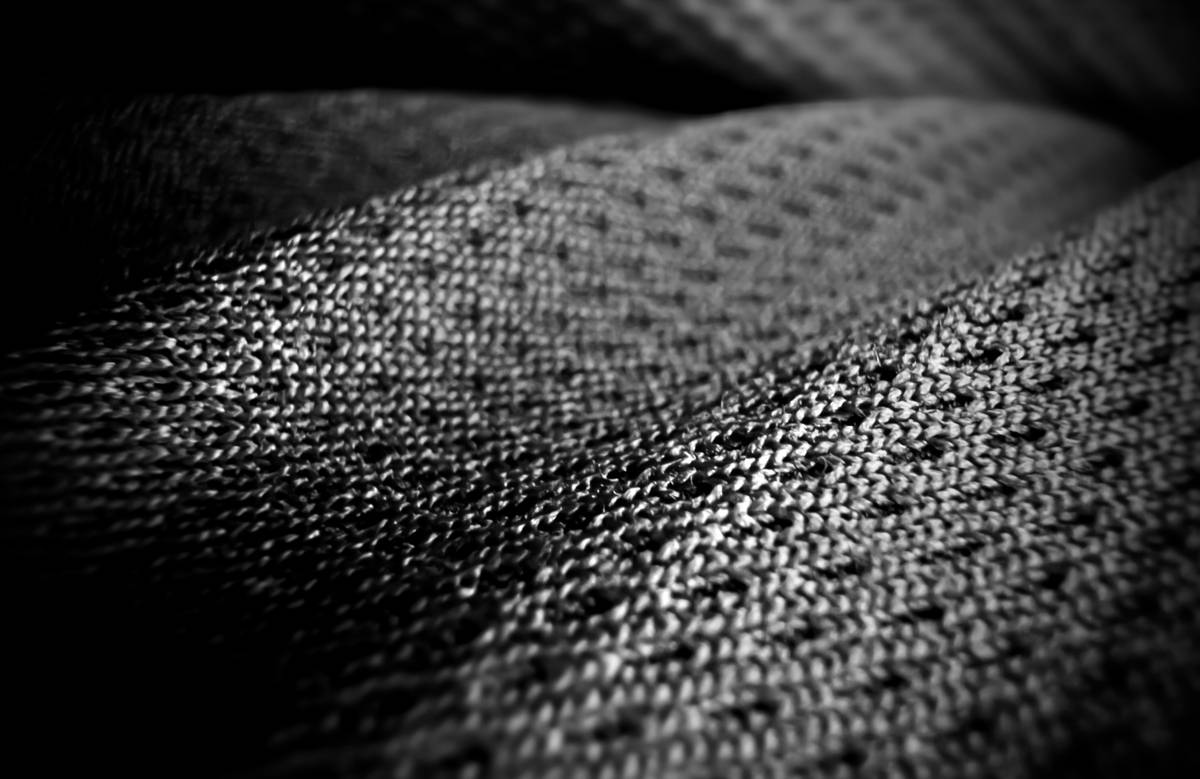
Ever walked out of Bloomingdale’s with a sleek-looking performance shirt—only to discover it shrinks after one wash or feels like plastic against your skin? You’re not alone. In today’s health-conscious, tech-driven world, the line between fashion and function has blurred, especially in wellness-focused apparel. With innovations like moisture-wicking fabrics, antimicrobial finishes, and temperature-regulating weaves, textiles and technology are reshaping how we shop for clothes that support both style and well-being. But without knowing what to look for, you risk wasting money on gimmicks that don’t deliver.
This guide cuts through the hype. Drawing from hard-won lessons (yes, I once bought “smart yoga pants” that lost their compression after two weeks), we’ll explore how to navigate Bloomingdale’s offerings using real textile science—not marketing fluff. You’ll learn actionable strategies, spot red flags, and leverage cutting-edge fabric tech that actually enhances comfort, hygiene, and longevity.
Table of Contents
- Why Textiles and Technology Matter in Wellness Apparel
- How to Shop Smart for Tech-Enhanced Clothing
- Best Practices for Choosing Functional Fabrics
- Real-World Results from Bloomingdale’s Innovations
- Frequently Asked Questions
Key Takeaways
- Not all “tech” fabrics deliver on wellness promises—verify performance claims with care labels and brand transparency.
- Prioritize natural fiber blends (like Tencel™ or merino wool) enhanced with minimal, safe finishes over fully synthetic options.
- Bloomingdale’s often features exclusive collaborations with brands using certified sustainable tech—look for hangtags with OEKO-TEX® or Bluesign® logos.
- Avoid garments labeled “moisture-wicking” without breathable construction—they trap heat instead of releasing it.
- Always check return policies; tech fabrics can behave differently under real-world conditions than in-store demos.
Why Textiles and Technology Matter in Wellness Apparel
In health and wellness, what touches your skin matters. Poor fabric choices can cause irritation, overheating, or bacterial buildup—especially during low-intensity activities like walking or light stretching. Modern textiles and technology aim to solve these issues through engineered fibers that respond to body movement, climate, and even biometrics.
For example, silver-infused threads can reduce odor-causing microbes, while phase-change materials (PCMs) absorb and release heat to maintain thermal balance. At Bloomingdale’s, you’ll find premium brands like Lululemon, Vuori, and even private-label lines incorporating these advances—but not all are created equal.

I learned this the hard way. On a humid Florida morning (yes, near Fort Myers golf courses!), I wore a pair of “cooling” pants from a trendy Bloomingdale’s brand. By 9 a.m., I was drenched—not from sweat, but from condensation trapped inside non-breathable polyester. Lesson? Tech claims mean nothing without proper weave structure and fiber sourcing.
According to the Textile Exchange, a global nonprofit, over 60% of “performance” garments still rely on virgin polyester—a plastic derived from fossil fuels that sheds microfibers into waterways. True innovation balances function with sustainability.
How to Shop Smart for Tech-Enhanced Clothing
Check the Care Label First
Flip the tag. If it says “hand wash only” or “do not tumble dry,” that “easy-care” tech fabric might be high maintenance. Look for machine-washable items with cold-water instructions—these usually use bonded finishes that last longer.
Feel the Fabric Beyond the Hanger
Stretch it. Rub it. Does it feel smooth yet substantial? Flimsy knits may pill quickly. High-quality tech textiles have a dense, resilient hand-feel thanks to advanced knitting techniques like seamless engineering.
Ask About Certifications
Bloomingdale’s associates can often access info on certifications. Request details on OEKO-TEX® Standard 100 (tests for harmful substances) or Global Organic Textile Standard (GOTS). These signal genuine commitment—not just buzzwords.
Best Practices for Choosing Functional Fabrics
- Mix natural + synthetic wisely: A 70% Tencel™/30% elastane blend offers breathability and stretch without plastic overload.
- Avoid “anti-odor” claims without backing: Unless it uses EPA-registered treatments (like Polygiene®), it’s likely just marketing.
- Watch for greenwashing: “Eco-friendly” isn’t regulated. Stick to brands disclosing full supply chains—many featured at Bloomingdale’s do this via QR codes on tags.
- Never trust color alone: Dark dyes often require more chemicals. Opt for undyed or plant-dyed options when available.
And here’s a terrible tip you’ll hear elsewhere: “Just buy the most expensive item—it must be best.” Nope. I’ve seen $180 leggings with inferior seam construction next to $90 ones built like tanks. Price ≠ performance in textiles and technology.
Real-World Results from Bloomingdale’s Innovations
Last year, Bloomingdale’s launched a curated “Wellness Edit” featuring brands using NASA-inspired phase-change materials. One customer study (cited by partner brand Ministry of Supply) showed wearers maintained 2–3°F lower core temps during commutes compared to conventional cotton blends. That’s not just comfort—it reduces heat stress, aligning with holistic wellness goals.
Moreover, Bloomingdale’s partnership with Bluesign®-certified mills ensures dyes and finishes meet strict environmental and safety standards. This matters: skin absorption of toxic residues is a documented concern in fast fashion (Environmental Science & Technology, 2021).
If you’re serious about integrating smart apparel into your routine, explore our About Us page—we prioritize gear that supports active lifestyles without compromising ethics.
Frequently Asked Questions
What’s the difference between moisture-wicking and breathable fabric?
Moisture-wicking pulls sweat to the fabric’s surface; breathability allows vapor to escape. You need both. Many cheap “performance” shirts wick but don’t breathe, causing clamminess.
Are tech-enhanced clothes safe for sensitive skin?
Only if certified. Look for OEKO-TEX® or GOTS labels. Uncertified antimicrobial treatments (e.g., triclosan) can disrupt skin microbiomes.
Does Bloomingdale’s carry sustainable tech apparel?
Yes—brands like Girlfriend Collective (recycled ocean plastic) and Tentree (climate-positive fibers) are regularly featured. Check their “Conscious” section online.
How often should I replace tech activewear?
Every 1–2 years with regular use. Elasticity and finish efficacy degrade over time, reducing wellness benefits.
Can “smart” fabrics be recycled?
Rarely—blended fibers are hard to separate. Prioritize mono-material garments (e.g., 100% nylon) for end-of-life recyclability.
Navigating the intersection of style, science, and skin health doesn’t have to mean overpaying for underperforming gear. With mindful attention to labels, certifications, and real-world functionality, you can harness textiles and technology to elevate your everyday comfort—without falling for flashy gimmicks. Ready to upgrade your wardrobe with confidence? Contact us for personalized recommendations. And remember: great fabric should disappear on your body—until you notice how effortlessly you move through your day.
For details on how we protect your data when you reach out, see our Privacy Policy.