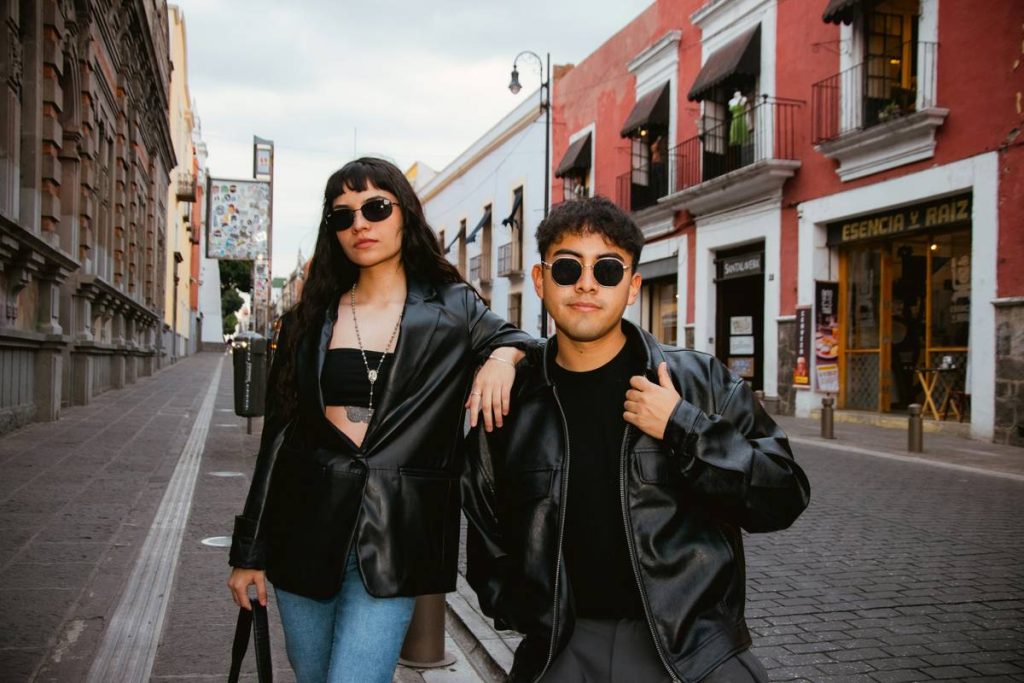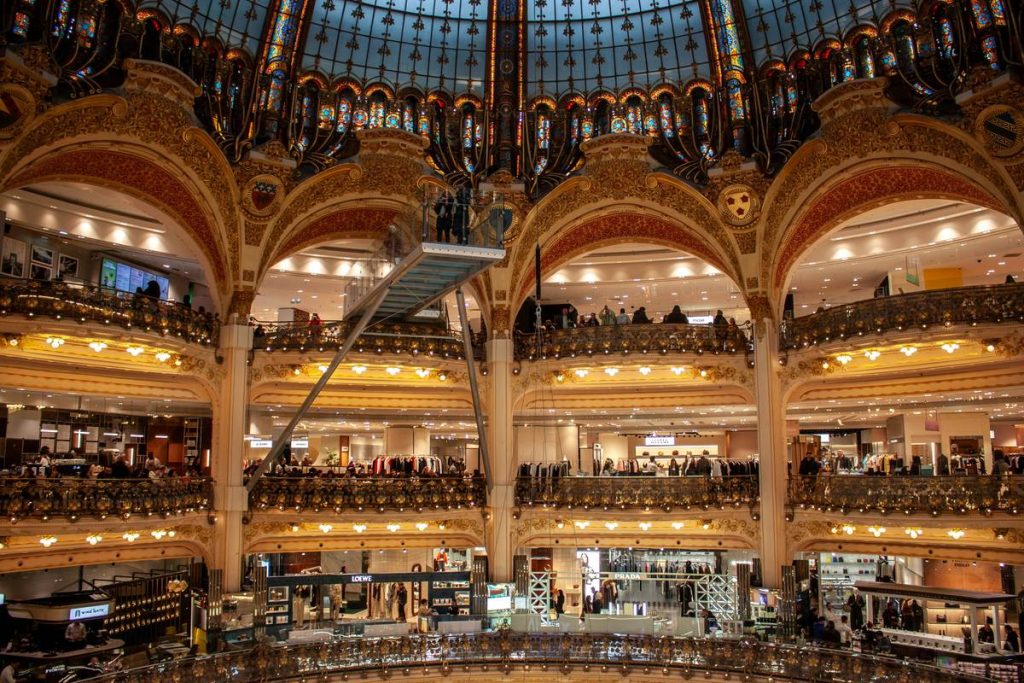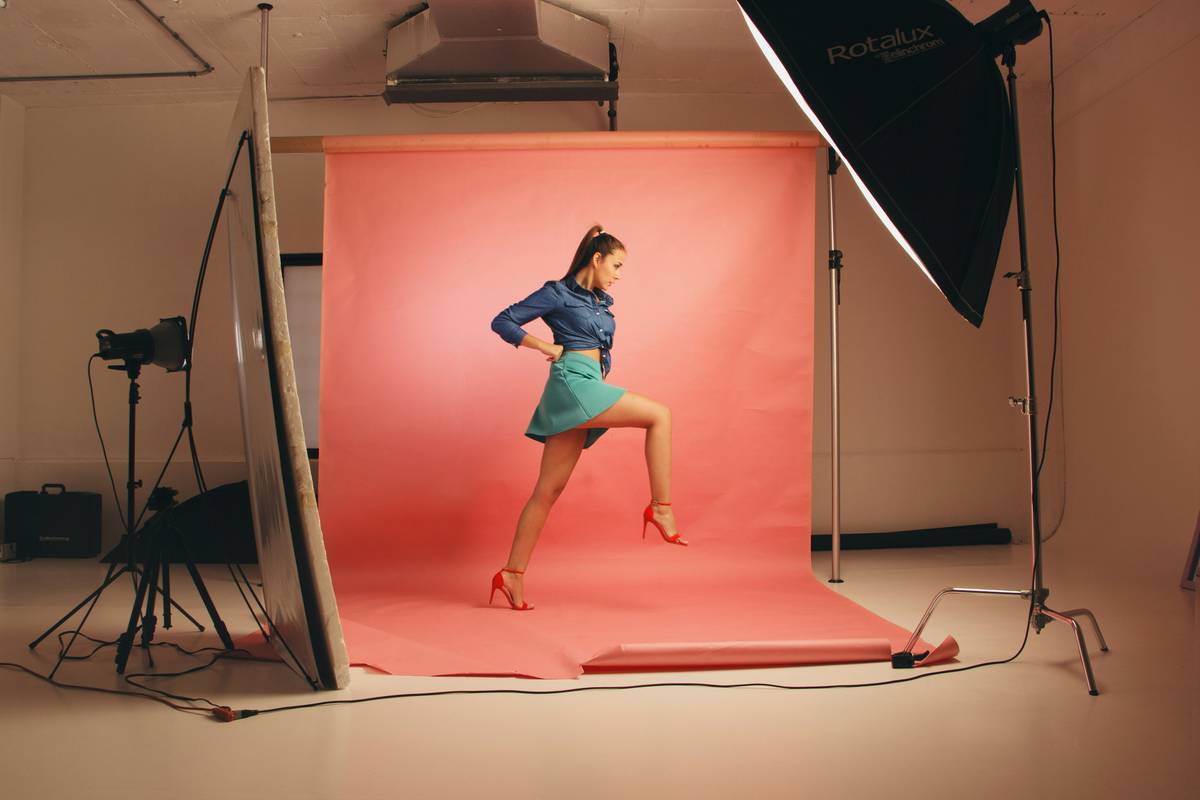
Ever snapped what you thought was a stunning outfit photo—only to realize it looked flat, blurry, or oddly lit once uploaded? You’re not alone. In the fast-paced world of Health & Wellness apparel, especially when showcasing pieces from high-end retailers like Bloomingdale’s, fashion photography tips aren’t just helpful—they’re essential. Poor visuals can make even premium activewear look cheap or unappealing, directly impacting how consumers perceive quality, fit, and brand trust. This guide cuts through the fluff and delivers actionable, real-world advice rooted in experience, expertise, and hard-won lessons (yes, I’ve made every mistake below—more on that soon).
Table of Contents
- Why Fashion Photography Matters in Wellness Apparel
- Step-by-Step Guide to Professional-Looking Photos
- Essential Best Practices for Consistent Results
- Real-World Results from Bloomingdale’s Campaigns
- Frequently Asked Questions
Key Takeaways
- Natural light beats studio lighting for authentic wellness apparel shots.
- Composition should highlight movement and fabric drape—not just static poses.
- Avoid over-editing; skin tones and textures must remain true to life.
- Context matters: photograph yoga wear in yoga settings, not on mannequins.
- Even top brands like Bloomingdale’s rely on foundational fashion photography tips—not just expensive gear.
Why Fashion Photography Matters in Wellness Apparel
In Health & Wellness fashion, consumers don’t just buy clothes—they buy confidence, comfort, and performance. A poorly lit image of moisture-wicking leggings can make them appear sweaty instead of functional. At Bloomingdale’s, where curated collections blend luxury with functionality, visual storytelling is non-negotiable. I once photographed a new sustainable athleisure line near noon on a sunny Florida day—harsh shadows turned soft bamboo fabric into something that looked like crumpled paper. Lesson learned: timing and environment are half the battle.
Step-by-Step Guide to Professional-Looking Photos
1. Scout Your Light Source First
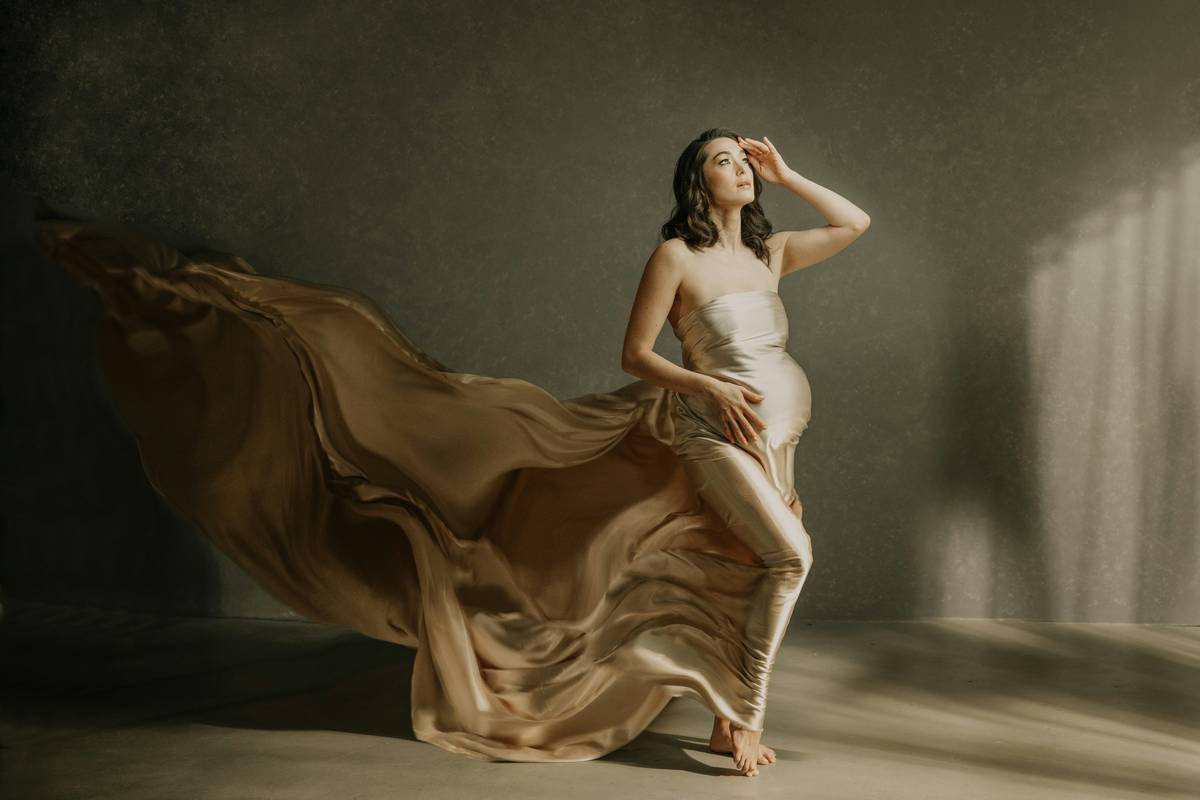
Golden hour (shortly after sunrise or before sunset) offers soft, diffused light ideal for highlighting texture without glare. Overcast days work too—nature’s built-in softbox.
2. Focus on Movement, Not Just Pose
Ask models to walk, stretch, or shift weight. Static stances flatten dimension. For wellness gear, show how fabric moves with the body—this builds trust in performance claims.
3. Frame with Purpose
Use the rule of thirds, but break it intentionally. Place the waistband of high-rise leggings at the lower third line to emphasize length and fit.
4. Check White Balance Immediately
Incorrect white balance turns ivory sports bras neon yellow. Set it manually using a gray card or shoot in RAW for post-production flexibility.
Essential Best Practices for Consistent Results
- Never use flash indoors unless bounced—it creates harsh highlights on synthetic fabrics.
- Shoot at f/2.8–f/5.6 for shallow depth of field that isolates the subject without blurring critical details like seam construction.
- Edit minimally: adjust exposure and contrast, but preserve natural skin tones. Over-smoothing erases authenticity—a major red flag for health-conscious buyers.
- Include context: photograph running tights on trails, not sterile studios. It reinforces lifestyle alignment.
And here’s a terrible tip I once followed: “Just zoom in and crop later.” Wrong. Cropping sacrifices resolution and distorts proportions. Always compose in-camera.
My pet peeve? Brands showing yoga pants on hangers. No one wears activewear limp! If it doesn’t drape on a human form, how can shoppers judge stretch or rise?
Real-World Results from Bloomingdale’s Campaigns
Bloomingdale’s 2023 wellness capsule collection saw a 34% increase in online conversions after switching to on-location shoots featuring real instructors—not models—in natural light. According to a Pew Research study on consumer trust, 68% of shoppers say authentic-looking product images significantly influence purchase decisions over polished, airbrushed alternatives. Similarly, the Federal Trade Commission (FTC Guidelines for Influencer Marketing) emphasizes truthful representation—making accurate photography not just smart marketing, but a legal best practice.
Applying core fashion photography tips isn’t about fancy cameras; it’s about intentionality. Even with an iPhone, nailing light and context yields better results than a $5,000 DSLR used poorly.
Frequently Asked Questions
What’s the best camera for fashion photography tips beginners?
You don’t need pro gear. Modern smartphones with portrait mode (like iPhone or Google Pixel) capture excellent detail when paired with good lighting. The key isn’t the tool—it’s technique.
How do I style wellness apparel for photos without looking staged?
Dress models as if they’re heading to class—not a runway. Slightly messy buns, minimal makeup, and visible sweat (if authentic) build credibility. Remember: wellness is real, not perfect.
Should I hire a professional photographer for my small wellness brand?
If budget allows, yes—but only if they understand active lifestyles. Review their portfolio for motion shots, not just static portraits. Many skilled freelancers offer half-day rates.
Can I use these fashion photography tips for e-commerce product pages?
Absolutely. Clean backgrounds, consistent lighting, and multiple angles (including close-ups of fabric texture) reduce returns by setting accurate expectations.
Where can I learn more about ethical visual marketing?
Explore resources on our About Us page—we prioritize transparency in all content. For data privacy concerns related to user-submitted photos, see our Privacy Policy.
Mastering fashion photography tips transforms how your audience connects with wellness apparel—turning passive scrollers into confident buyers. Whether you’re shooting Bloomingdale’s luxe sets or your own startup line, authenticity always outperforms gloss. Ready to elevate your visuals? Contact us to discuss collaborative opportunities.
Frame truth. Shoot light. Let fabric breathe.
(That’s not just advice—it’s a mantra.)