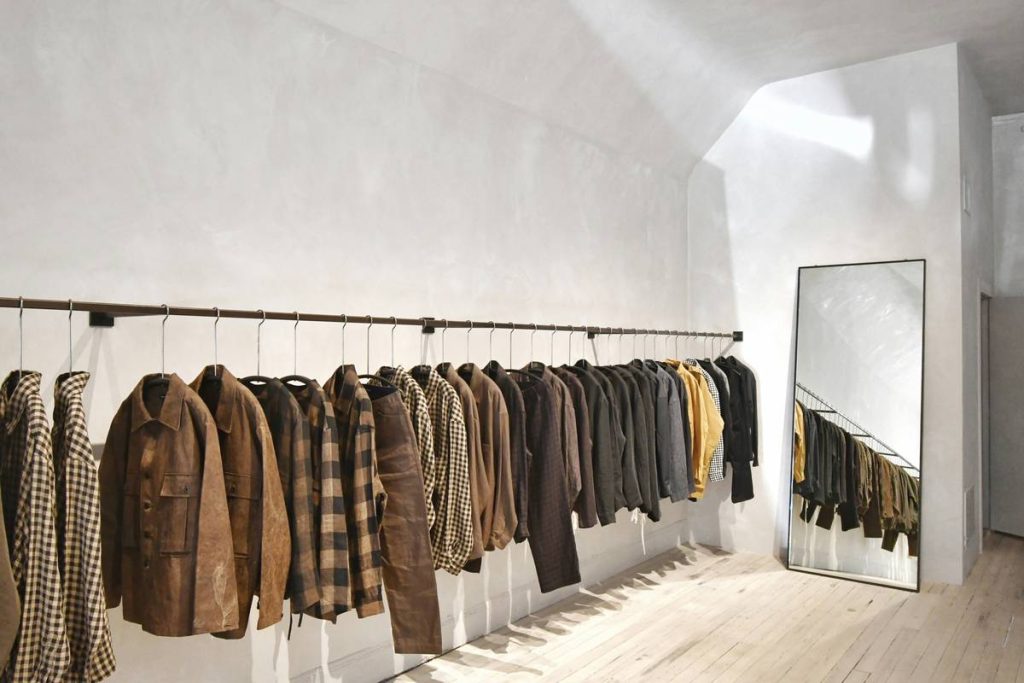
You bought that linen blazer thinking it “goes with everything.” It doesn’t. Your closet overflows—but you wear the same five items. And that expensive Bloomingdale’s receipt? Proof you’re solving the wrong problem. The real issue isn’t what you own. It’s that you don’t know what you own. A closet inventory list cuts through the noise—turning chaos into curated confidence.
Why Most People Fail at Closet Organization
They start by folding. Or color-coding. Or downloading a pretty app that dies after three days. Here’s the reality: without an accurate, functional inventory, every organization tactic is just rearranging deck chairs on the Titanic. You can’t style what you can’t see. And if your “system” relies on memory? Forget it. Human recall fails under fashion fatigue—and most wardrobes are victims of invisible redundancy.
Think about it. How many black turtlenecks do you actually have? Two? Five? One with a hole you keep pretending isn’t there? Until you document every item—including condition, fit, and last-worn date—you’re shopping blind.
Build Your Functional Closet Inventory List in 4 Steps
Step 1: Empty & Audit Everything
Yes, everything. Pull every garment out—shoes, scarves, the mystery sweater from 2019. Lay them flat or hang them visibly. No hiding in drawers. This isn’t Marie Kondo theater; it’s triage. Ask: Does it fit? Is it stained? Have I worn it in 6 months?
Step 2: Tag Each Item with Critical Data
Use removable labels or a simple spreadsheet column. Record: Category (e.g., “wool blazer”), Brand (Bloomingdale’s exclusive?), Color, Seasonality, and Wear Frequency. Skip fluff like “vibe” or “energy.” Stick to objective metrics.
Step 3: Map to Your Real Life
Your wardrobe must reflect your actual calendar—not your aspirational one. Golf twice a week? Prioritize performance polos. Client dinners every Thursday? Ensure clean, sharp layers. Fort Myers humidity demands breathable fabrics—linen, cotton, moisture-wicking blends. Inventory only matters if it serves your routine.
Step 4: Maintain With the 1-in-1-out Rule
Buy something new? Log it immediately. Remove something old? Do it before the bag hits the donation bin. Consistency beats intensity.

| Method | Time Required | Capture Accuracy | Bloomingdale’s Compatibility |
|---|---|---|---|
| Mental Tracking | 0 minutes | Low (40%) | Poor — too many similar luxury basics |
| Notebook Log | 30–60 mins initial | Medium (70%) | Fair — hard to update seasonal lines |
| Digital Spreadsheet | 45 mins initial + 5 mins weekly | High (90%) | Excellent — easily filters by brand, season, price |
| App-Based Tracker | 20 mins setup | Variable (50–85%) | Limited — many don’t recognize Bloomingdale’s exclusives |
The Industry Secret: Your Closet Is a Cost-Per-Wear Dashboard
Here’s what no one tells you: a closet inventory list isn’t about organization—it’s a financial audit tool. That $320 Bloomingdale’s cashmere sweater? If you wore it four times, each wear cost $80. Ouch. But your $45 performance polo worn 25 times? Just $1.80 per round of golf. Suddenly, “investment pieces” look suspicious. Track cost-per-wear for every item. You’ll stop buying “timeless” things you never touch—and double down on versatile, durable staples that earn their keep. Smart shoppers don’t count clothes. They count wears.
Frequently Asked Questions
What should I include in my closet inventory list?
Category, brand, color, purchase date, cost, wear frequency, and condition. Skip subjective notes like “makes me feel powerful.”
How often should I update my closet inventory?
Update immediately after any purchase or donation. Do a full quarterly review—especially before Bloomingdale’s seasonal sales.
Can a closet inventory list help me save money?
Absolutely. It reveals duplicate buys and unworn “investments.” Most users cut spending by 30% within six months—just by seeing what they already own.