Your favorite puffer jacket—plush, warm, and perfectly broken in—gets shoved into a cramped closet or vacuum-sealed bag come spring. Big mistake. Compressing it kills loft. Moisture breeds mildew. And that “space-saving” hack? It’s secretly shortening your jacket’s lifespan. But there’s a smarter way. One that preserves insulation, saves space, and keeps your investment looking fresh season after season.
Why Standard Puffer Jacket Storage Methods Backfire
Most people treat puffers like cotton tees—fold, stuff, forget. That’s where everything unravels. Down and synthetic fills rely on trapped air for warmth. Crush them for months, and the fibers clump, compress, and lose their bounce. Humidity in basements or attics? A silent killer. And mothballs won’t save you—they just leave a chemical stink that seeps into fabric.
Even garment bags, often recommended, can trap moisture if they’re non-breathable. You’re not storing a coat. You’re suffocating it.
Step-by-Step Guide to Proper Puffer Jacket Storage
Clean It First—No Exceptions
Never store a dirty puffer. Oils, sweat, and food residue attract pests and degrade fibers over time. Check the label—but 90% of modern puffers are machine-washable on cold, gentle cycle with down-specific detergent. Skip the dryer sheets. Tumble dry low with two clean tennis balls to fluff the fill evenly.
Ditch the Vacuum Bag
Yes, it shrinks your jacket to the size of a shoebox. No, it’s not worth it. Long-term compression permanently damages insulation structure. The math is simple: a few extra inches of closet space now beats replacing a $300 jacket in two years.
Hang or Fold—Strategically
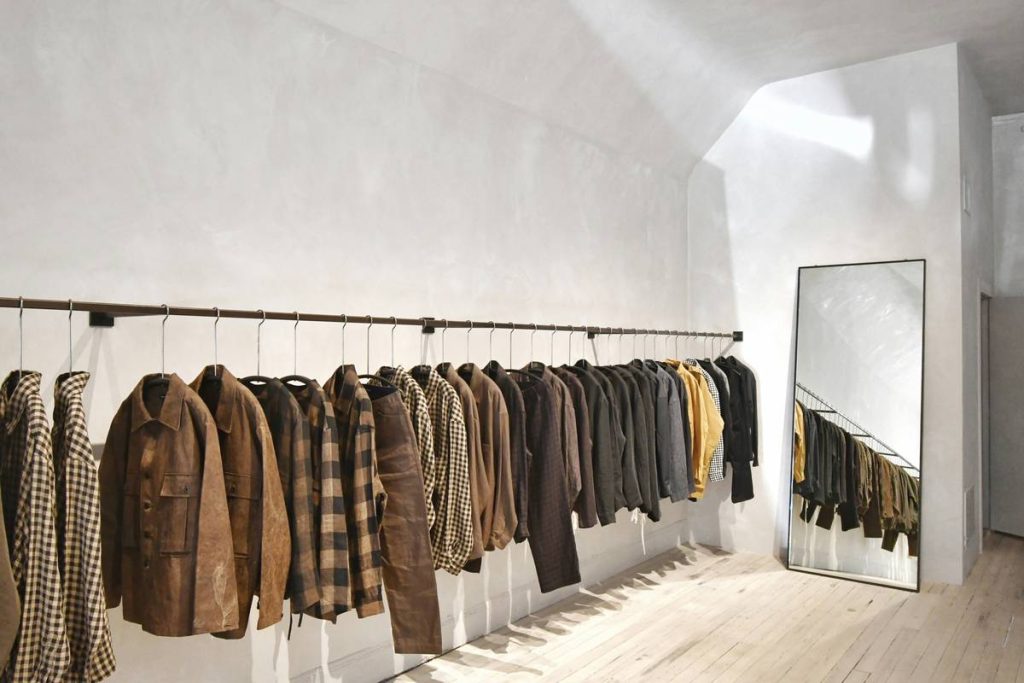
If you’ve got hanging room, use a wide, padded hanger—never wire. Let it breathe. No closet space? Fold loosely along natural seams. Place it on a shelf, not under heavy sweaters. Think of it like storing a sleeping bag: give it room to loft.

Control Humidity and Light
Direct sunlight fades colors and weakens synthetics. Damp air invites mold. Store in a cool, dark, dry place—ideally 50–70°F with 40–50% humidity. Cedar blocks? Fine for scent, but useless against moths unless replaced monthly. Better: breathable cotton storage bags with silica gel packs tucked inside.
| Storage Method | Cost | Space Required | Impact on Jacket Longevity |
|---|---|---|---|
| Vacuum Sealing | $5–$15 | Very Low | Severe Damage – Permanent loft loss |
| Plastic Garment Bag | $3–$10 | Medium | Moderate Risk – Traps moisture, causes odor |
| Cotton Storage Bag + Silica Gel | $8–$20 | Medium-High | Optimal – Breathable, moisture-controlled |
| Hanging (Padded Hanger) | $0–$12 | High | Best for Frequent Use – Maintains shape & loft |
The Industry Secret: Rotate, Don’t Retire
Here’s what outerwear designers won’t tell you: your puffer doesn’t need full hibernation. If you live somewhere with mild winters—like near Fort Myers golf courses—you might wear it only 30 days a year. So don’t exile it for 11 months. Instead, rotate it. Wear it on cool mornings during golf season. Let it air out weekly. This constant, light use actually maintains fiber elasticity better than deep storage. And it catches small issues—like loose stitching—before they become big ones.
Think about it: a puffer is engineered for dynamic use, not static burial. Treat it like gear, not clutter.
Frequently Asked Questions
Can I store my puffer jacket in a plastic bin?
Only if it’s clean, completely dry, and the bin has ventilation holes. Otherwise, trapped moisture will cause mildew. Never use sealed plastic long-term.
How often should I fluff a stored puffer jacket?
Every 4–6 weeks. Take it out, shake it vigorously, and let it sit in dry air for a few hours. This redistributes fill and prevents permanent clumping.
Is hanging bad for puffer jackets?
Not if you use a wide, padded hanger. Wire hangers dig in and create permanent creases. Proper hanging maintains shape better than folding—if you have the space.